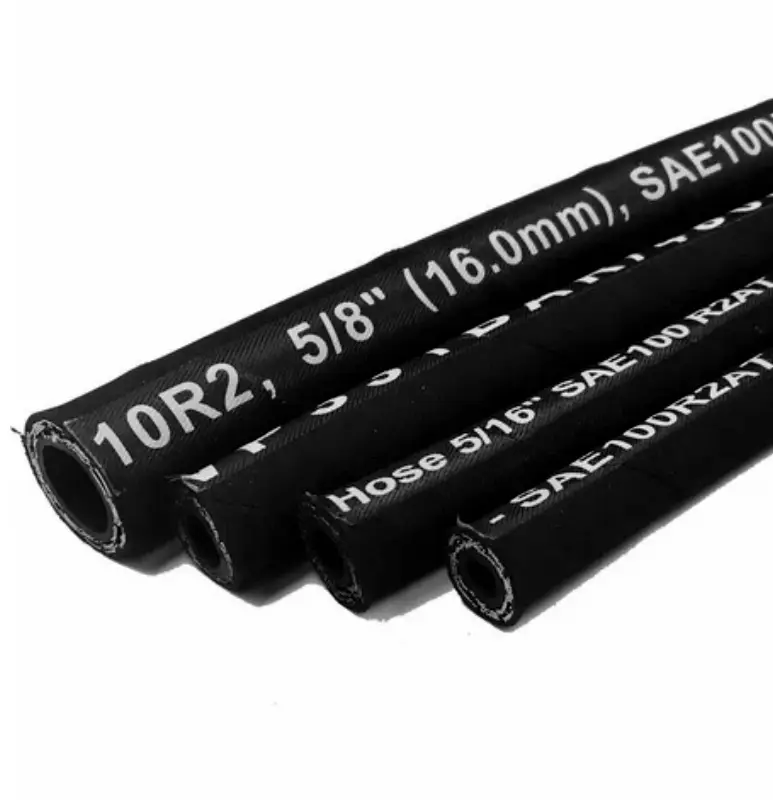
A hydraulic hose improves machine efficiency by maintaining stable hydraulic power transmission, reducing pressure loss, and lowering maintenance frequency. A properly selected hose can handle pressures above 5,000 psi, improve actuator response, and reduce downtime caused by leakage or failure. Studies from industrial maintenance reports show that hydraulic-related issues account for around 30% of unexpected equipment stoppages, making hose quality an important part of machine performance.
Hydraulic hoses improve machine efficiency by transferring pressurized fluid from pumps to cylinders, motors, and other hydraulic components with less energy loss. Unlike rigid pipes, hoses can absorb vibration and allow movement between machine parts, which helps equipment operate smoothly in construction, agriculture, manufacturing, and mobile machinery applications.
A hydraulic system depends on stable pressure delivery. When a hose has the correct inner diameter, reinforcement structure, and pressure rating, hydraulic fluid can move at the required speed without unnecessary resistance. A suitable hydraulic hose helps machines use hydraulic power more efficiently by reducing pressure drops and fluid losses.
Hydraulic power is only useful when fluid can move through the system with stable pressure and controlled flow.
The internal structure of a hydraulic hose affects how well it performs under working conditions. Most industrial hoses include three layers: an inner tube for fluid contact, reinforcement layers for pressure control, and an outer cover for protection. Steel wire braided hoses are often used for medium to high-pressure systems, while spiral wire hoses are selected for heavy-duty equipment requiring pressures above 6,000 psi.
For example, a hydraulic excavator may operate thousands of hours each year under changing loads. If the hose expands excessively under pressure, the machine may experience slower cylinder movement and reduced working accuracy. Selecting a hose with the correct pressure rating helps maintain stable operation.
| Hydraulic Hose Feature | Effect on Machine Operation |
|---|---|
| Correct inner diameter | Improves fluid flow and reduces pressure loss |
| High-pressure reinforcement | Supports heavy working conditions |
| Heat-resistant material | Maintains performance at high temperatures |
| Abrasion-resistant cover | Extends replacement intervals |
The pressure stability provided by a quality hose also affects machine speed and fuel use. When hydraulic fluid moves inefficiently, the pump must work harder to maintain output pressure. This increases energy consumption and raises operating costs over time.
A study of industrial hydraulic systems published in 2020 reported that improving hydraulic component efficiency could reduce energy consumption by approximately 10%–20% depending on equipment type and operating conditions. Hydraulic hoses with proper sizing contribute to this improvement by reducing unnecessary friction during fluid movement.
The connection between hose size and machine efficiency is especially important in high-flow applications. A hose with a diameter that is too small increases fluid velocity and creates higher friction losses. A hose that is too large may increase cost and installation space without improving performance.
Engineers usually select hose diameter according to flow rate, working pressure, and recommended fluid velocity. For example, a system requiring 40 gallons per minute of flow may need a larger hose diameter than a system operating at 10 gallons per minute to maintain efficient transmission.
Correct hose sizing allows hydraulic systems to deliver the required power without forcing pumps and valves to operate harder than necessary.
Durability is another factor that affects machine efficiency because hose failures can interrupt production and increase repair time. Hydraulic hoses commonly operate near moving components, metal surfaces, chemicals, and high-temperature areas. Abrasion, bending stress, and incorrect installation are frequent causes of early failure.
Maintenance records from industrial facilities show that hydraulic leaks represent about 15% of fluid power maintenance problems. Regular inspection of hose covers, fittings, and connection points can reduce unexpected replacement and improve equipment availability.
A reliable hydraulic hose supplier provides hoses designed for different applications, including construction equipment, agricultural machines, industrial systems, and high-pressure hydraulic units. Product selection usually considers working pressure, temperature range, fluid compatibility, and operating environment.
Temperature control also affects hydraulic efficiency. Hydraulic oil performance changes when temperatures become too high or too low. Excessive heat can reduce oil viscosity and accelerate material aging inside the hose, while low temperatures can make hose materials less flexible.
Standard hydraulic hoses often work within a temperature range of approximately -40°C to 100°C, while specialized products can operate above 150°C. Maintaining suitable temperature conditions helps hydraulic systems keep consistent response speed and reduces component wear.
The installation method of a hydraulic hose can also influence service life. A hose that is twisted, sharply bent, or installed below its minimum bend radius may experience internal reinforcement damage. In some cases, incorrect installation can reduce hose service life by more than 50%.
Manufacturers provide bend radius specifications based on hose construction and diameter. Following these requirements helps prevent unnecessary stress and allows the hose assembly to maintain stable performance throughout its operating period.
| Installation Practice | Performance Impact |
|---|---|
| Avoid twisting during installation | Reduces internal stress |
| Maintain recommended bend radius | Prevents reinforcement damage |
| Secure hose movement paths | Reduces abrasion |
| Check fittings regularly | Prevents leakage |
Hydraulic hoses also support machine flexibility by allowing compact equipment designs. Modern machines often contain many moving components in limited spaces, making flexible connections more practical than fixed metal piping.
In robotic equipment, injection molding machines, and automated production systems, flexible hydraulic hoses allow smoother movement and more accurate control. A hose assembly that supports repeated movement can improve machine reliability during long operating cycles.
Fluid compatibility is another factor that influences hose performance. Different hydraulic fluids require different hose materials. Petroleum-based oils, synthetic fluids, and biodegradable fluids may interact differently with hose tubes and covers.
Using an incompatible hose material can cause swelling, cracking, or internal deterioration. Laboratory testing and manufacturer data are commonly used to confirm whether a hose material is suitable for a specific hydraulic fluid before installation.
A hydraulic hose must match the machine environment, not only the pressure requirement.
Modern maintenance programs increasingly focus on scheduled inspections instead of replacing hoses only after failure. A planned approach may include checking surface condition, measuring pressure performance, inspecting fittings, and recording replacement history.
Industry maintenance studies from 2018–2023 show that preventive maintenance programs can reduce unplanned equipment downtime by approximately 20%–30%. Hydraulic hose management is often included as part of these programs because hoses directly affect fluid transmission reliability.
The service life of a hydraulic hose depends on pressure cycles, temperature exposure, installation quality, and working environment. A hose used in a clean indoor machine may last several years, while one operating in mining or construction conditions may require more frequent inspection.
Selecting the correct hose specification helps machines maintain stable output, reduce energy waste, and operate with fewer interruptions. A well-designed hydraulic hose supports better machine performance by keeping hydraulic power transfer consistent during daily operation.
Hydraulic hoses are small components compared with pumps, engines, or cylinders, but their performance affects the entire hydraulic system. Proper selection, installation, and maintenance allow equipment to operate efficiently, safely, and reliably across different industrial applications.